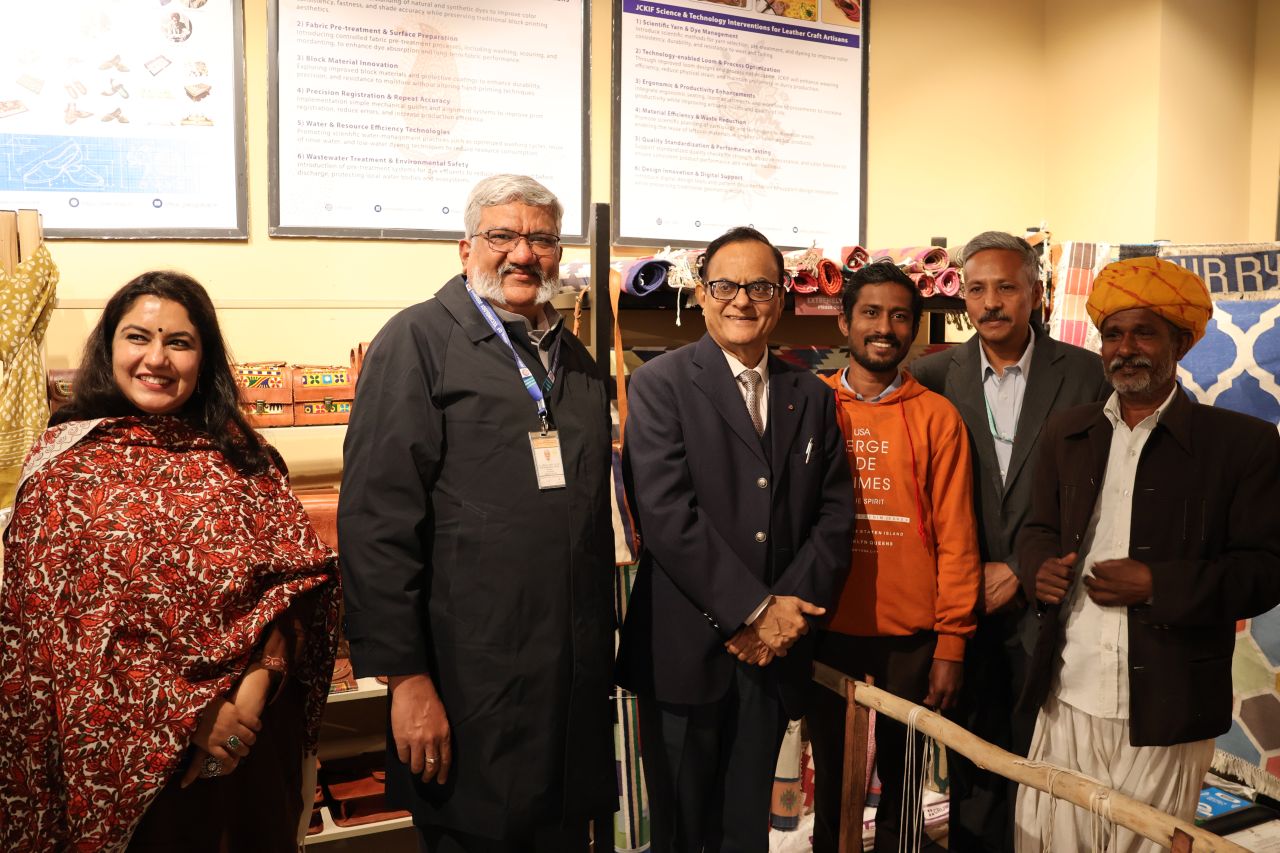
JCKIF Showcases Rajasthan’s Rich Craft Heritage at The Kunj, New Delhi
The Jodhpur City Knowledge and Innovation Foundation (JCKIF) successfully concluded its exhibition at The Kunj, a flagship initiative of the Ministry of Textiles, Government of India, marking a significant milestone in showcasing Rajasthan’s traditional crafts at the national level.
Held from December 19, 2025, to January 7, 2026, the exhibition provided a platform to celebrate India’s living craft heritage while demonstrating how scientific support, design innovation, and institutional collaboration can create new opportunities for artisan communities.
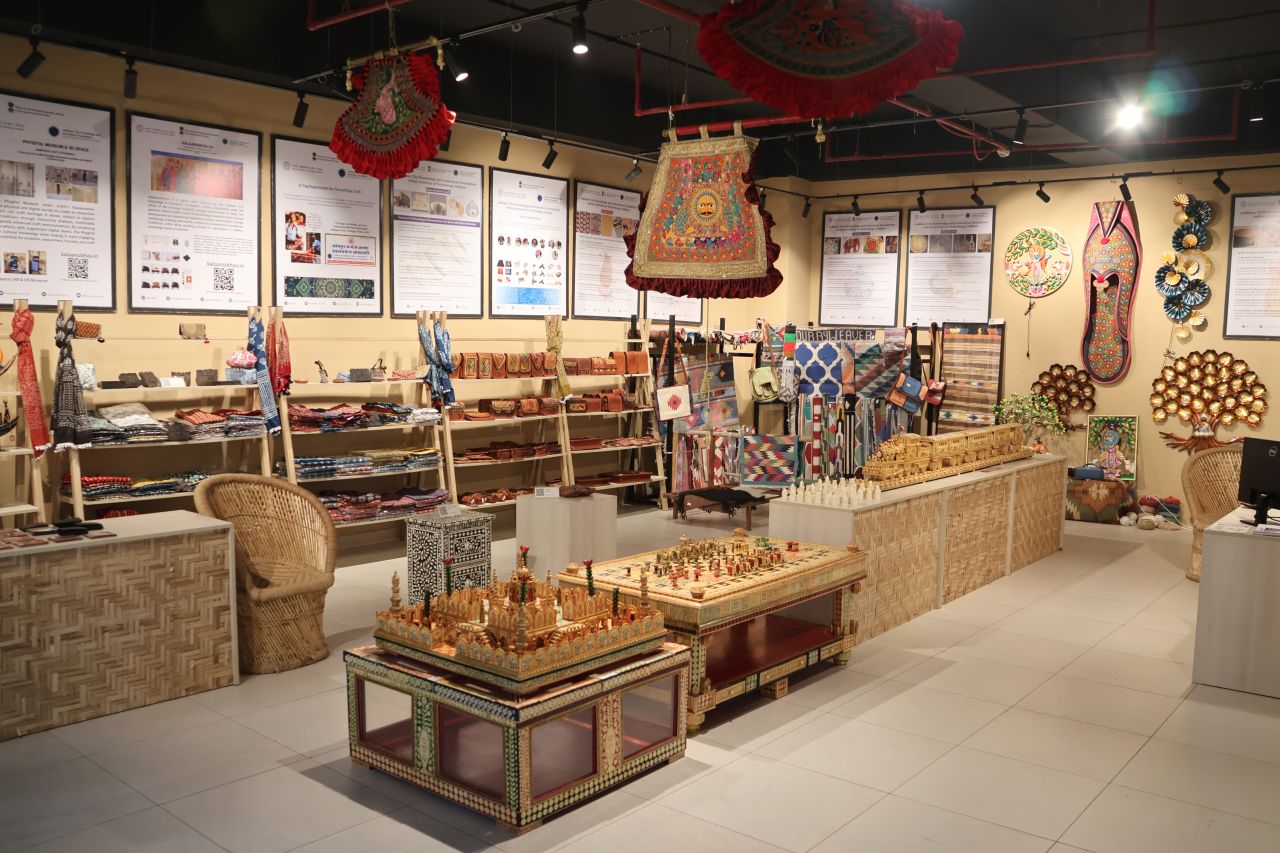
The initiative reflected JCKIF’s commitment to preserving traditional craftsmanship, strengthening artisan capabilities, and connecting indigenous crafts with contemporary design practices and evolving markets.
Inauguration by Distinguished Dignitaries
The exhibition was inaugurated in the presence of eminent representatives from the scientific, academic, and government sectors, including:
- Prof. Ajay Kumar Sood, Principal Scientific Adviser to the Government of India
- Dr.Parvinder Maini, Scientific Secretary, Office of the Principal Scientific Adviser
- Prof. Avinash Kumar Agarwal, Director, IIT Jodhpur
- Dr. M. Beena, Development Commissioner (Handlooms), Ministry of Textiles
- Dr. Vishal Choudhary, Scientist ‘F’, Office of the Principal Scientific Adviser
- Shri Ashok Malhotra, Mission Director, National Technical Textiles Mission
- Shri Anuj Ojha, Joint Development Commissioner (Handicrafts)
- Dr. Akanksha Choudhary, Faculty In-charge, JCKIF
- Col. Rohit Khare (Retd.), CEO, JCKIF
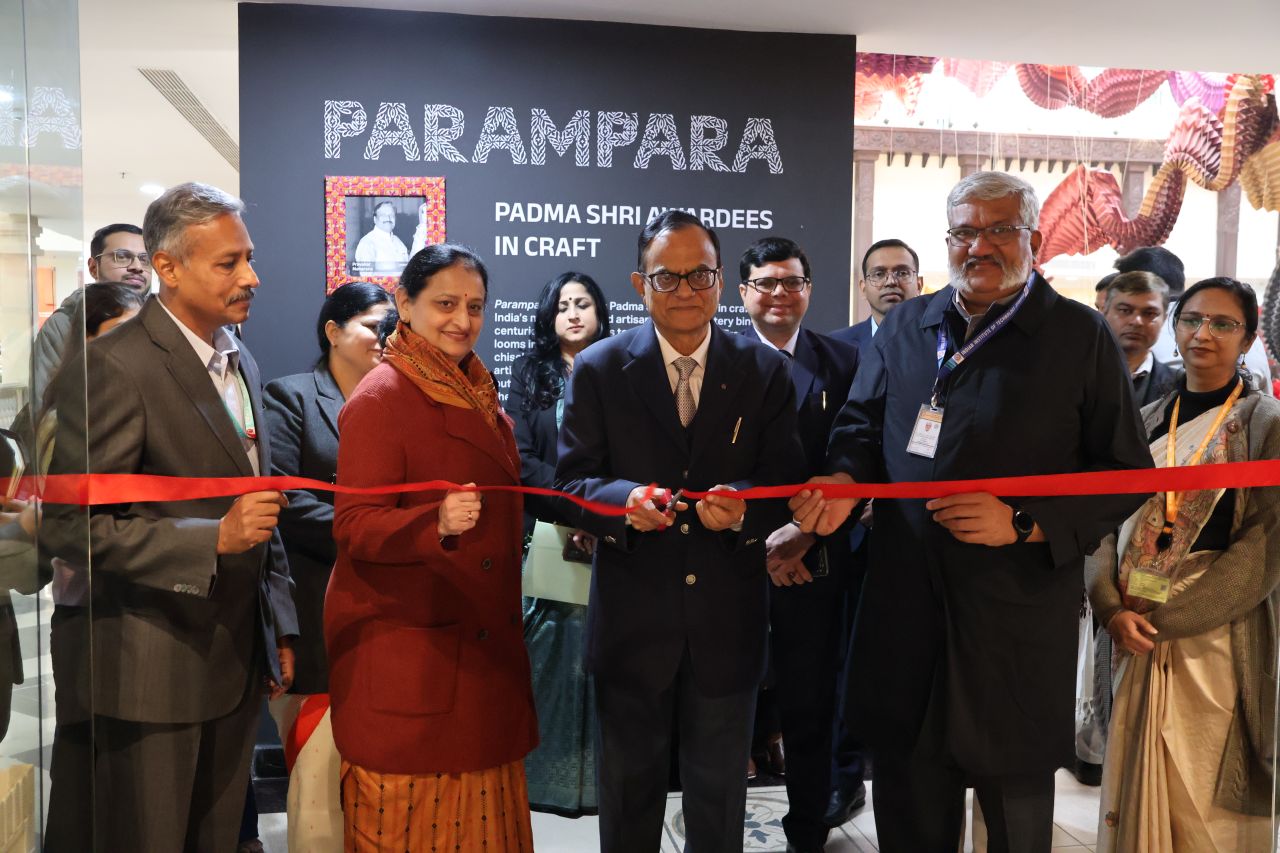
The participation of these distinguished dignitaries underscored the importance of collaborative efforts to preserve India’s cultural heritage, promote innovation in traditional industries, and strengthen the livelihoods of artisan communities.
Integrating Craft, Design, and Technology
Alongside the exhibition, JCKIF highlighted its broader initiatives aimed at strengthening Rajasthan’s craft ecosystem through digital platforms, design innovation, and immersive heritage experiences.
Kalaanubhav (kalaanubhav.in) serves as a digital platform for showcasing artisan-made products and connecting traditional crafts with wider audiences and potential markets.
Design Innovation Workshops provide opportunities for artisans to engage with contemporary design approaches, explore new ideas, and strengthen their product development capabilities through collaboration with experts and institutions.
Dharohar – The Phygital Museum brings together physical heritage and digital experiences to promote awareness of traditional crafts, artisan stories, and India’s rich cultural legacy.
Together, these initiatives reflect JCKIF’s approach to linking heritage preservation with scientific and technological interventions, creating opportunities for greater visibility, innovation, and market access.
International Recognition and Global Perspectives
The exhibition also received appreciation from Prof. Ledda Sergio, Scientific Attaché at the Embassy of Italy, who acknowledged the design-led interventions, institutional collaboration, and broader relevance of the showcased crafts.
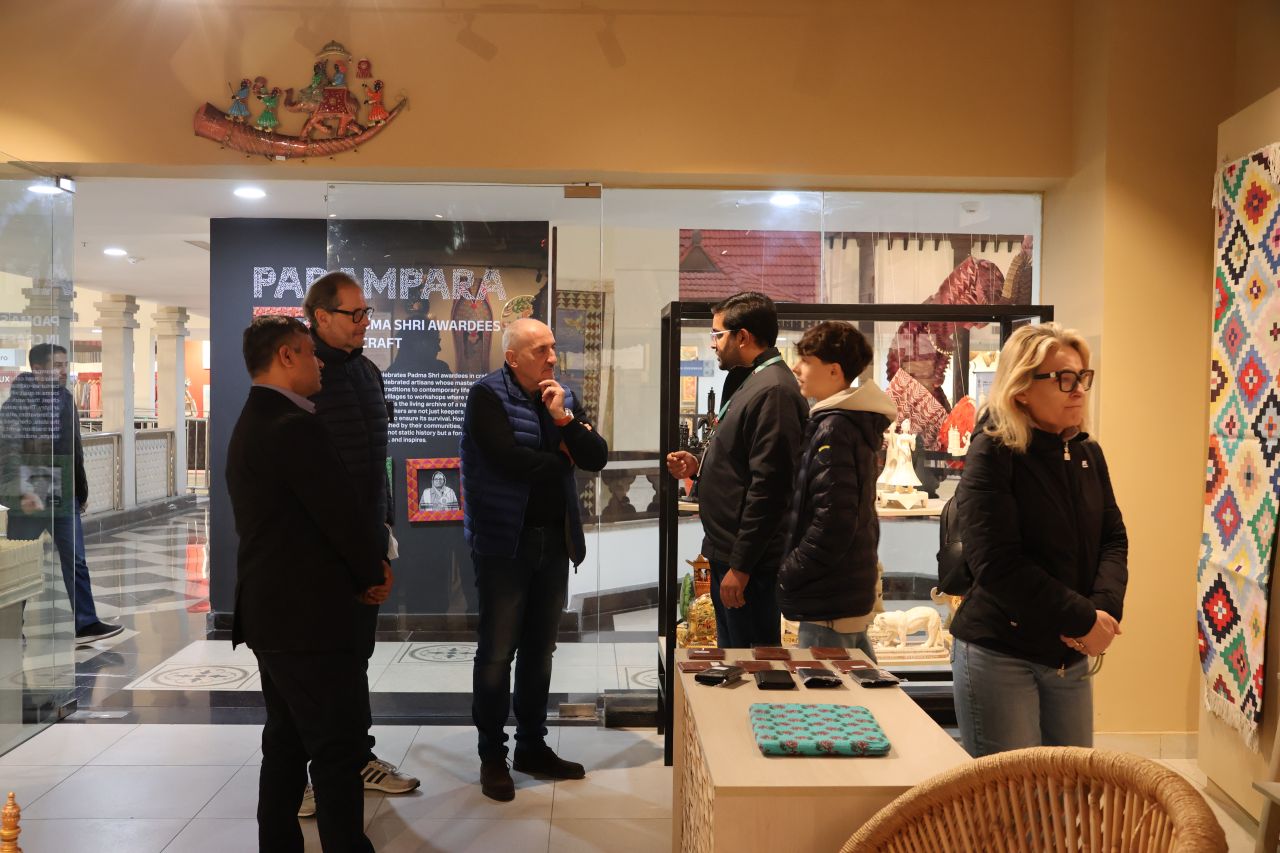
This engagement highlighted the potential for Rajasthan’s traditional crafts to connect with international audiences and design communities. Such interactions can help create greater awareness of indigenous craftsmanship and encourage opportunities for cultural exchange and future collaboration.
Strengthening the Future of Traditional Crafts
JCKIF’s exhibition at The Kunj marked an important step in connecting Rajasthan’s craft heritage with national platforms, institutional expertise, and contemporary design perspectives. The initiative demonstrated the value of collaboration among government bodies, scientific institutions, designers, and artisan communities in building a sustainable ecosystem for traditional crafts.
Through initiatives such as Kalaanubhav, Design Innovation Workshops, and Dharohar, JCKIF continues to work towards preserving indigenous knowledge, supporting artisan development, and creating new avenues for the growth of India’s cultural and creative economy.
The exhibition reaffirmed a shared vision: when traditional craftsmanship is supported by science, technology, design, and strong institutional partnerships, heritage can thrive and artisan communities can access new opportunities for sustainable growth.